
MENU

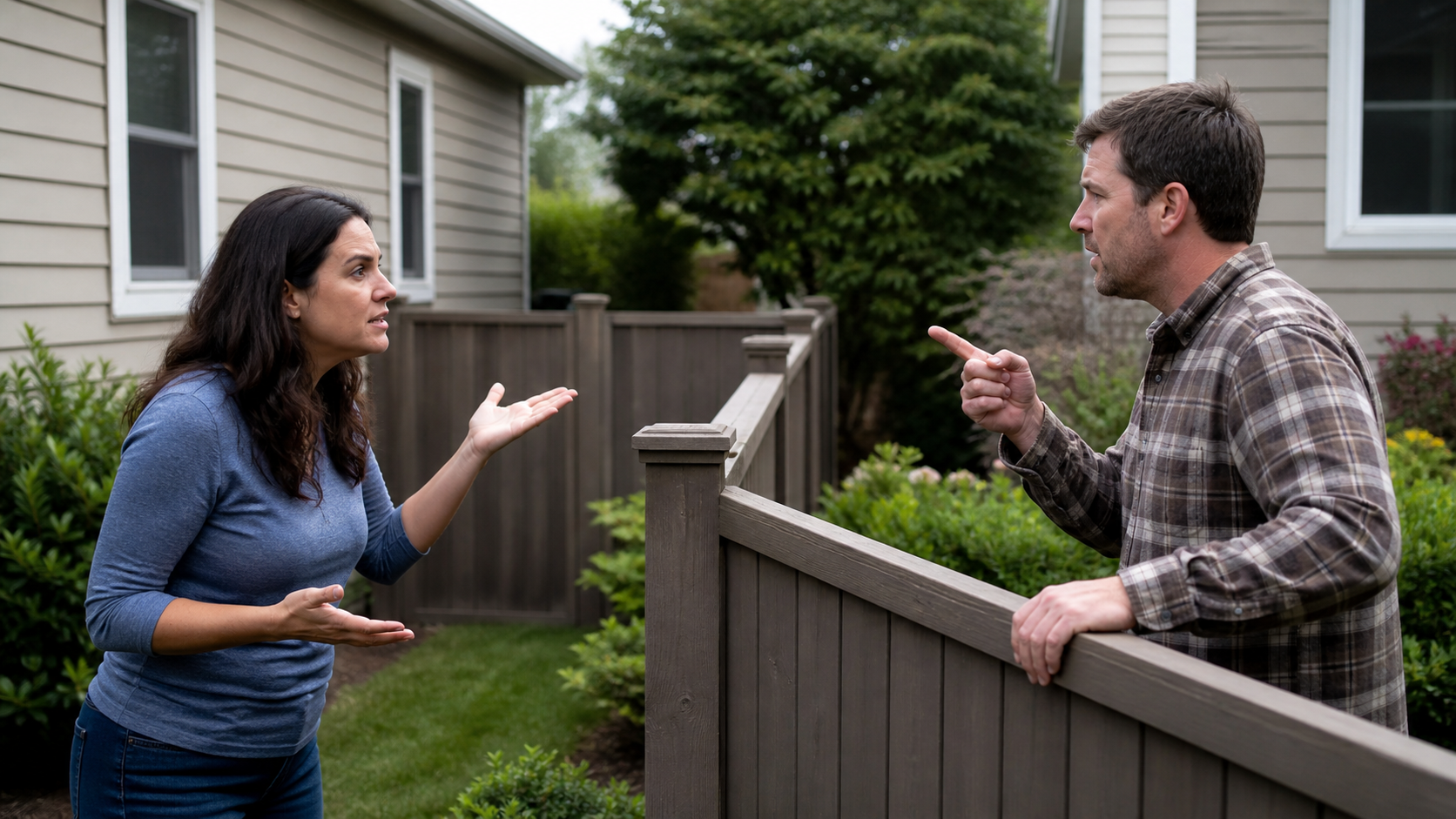
Neighbor disputes are often treated as minor issues—until they begin to affect property rights, transactions, or development plans.
For property owners, developers, and investors, the key question is not whether a disagreement exists, but whether it creates legal risk that impacts use, value, or marketability of the property.
Handled incorrectly, these disputes can delay deals, increase costs, and in some cases prevent a project from moving forward altogether.
When a Neighbor Issue Becomes a Legal Problem
Not every disagreement between neighbors rises to the level of a legal dispute. However, once one party’s actions begin to interfere with another’s legal rights tied to property ownership, the issue moves into the realm of enforceable law.
In California, property rights are defined by recorded documents, title conditions, statutory frameworks, and established legal doctrines—not just what appears on the ground.
This distinction is critical.
What may look like a minor issue in practice can create enforceable claims that affect title, use, and future development.
Common Disputes—and Where Risk Arises
Neighbor disputes tend to fall into a few recurring categories. The key is understanding how each can affect legal rights and project viability.
Boundary Disputes
Boundary issues often arise where surveys conflict, legal descriptions are unclear, or improvements do not align with recorded title.
Risk includes:
Nuisance Claims
Noise, odors, vibrations, or other disturbances may rise to the level of a legal nuisance if they substantially interfere with another party’s use and enjoyment of their property.
Risk includes:
Easement and Access Disputes
Shared access—such as driveways or private roads—is often governed by easements, whether recorded or implied.
Risk includes:
Encroachments
Encroachments occur when improvements cross property lines, even slightly.
Risk includes:
Why These Disputes Matter for Property Owners and Developers
Neighbor disputes are rarely isolated issues. They often create broader legal and business consequences that affect both current use and long-term strategy.
If not addressed early, these disputes frequently escalate into litigation—adding cost, delay, and uncertainty.
Key Considerations for Property Owners
Property owners, developers, and investors should evaluate:
➤ Most importantly:
Address disputes early. Delay increases cost, risk, and leverage for the opposing party.
Bottom Line
Neighbor disputes are not just interpersonal conflicts—they are often early indicators of legal issues that can affect property rights, development potential, and asset value.
The key is identifying when a disagreement creates real legal exposure and addressing it strategically before it impacts a transaction or project.
G10 Law Real Estate & Land Use Group
Louis A. Galuppo, Esq. | Melania Mirzakhanian, Esq.
If you have questions regarding real estate development, land use compliance, or business matters affecting your property or company, the attorneys at G10 Law are available to assist. Our firm advises property owners, developers, and businesses throughout California on real estate, business, and banking matters. This blog post is provided for informational purposes only and does not constitute legal advice. Reading this post does not create an attorney-client relationship with G10 Law. You should consult with a qualified attorney regarding the specific facts and circumstances of your situation before making legal decisions.


